
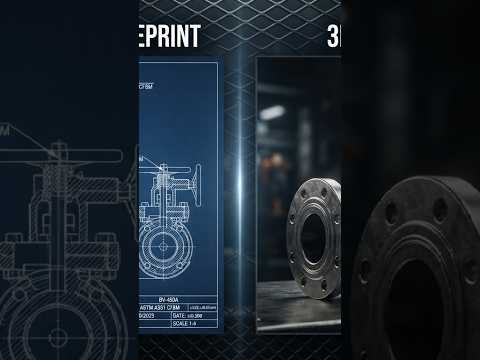
In the modern engineering landscape, the transition from paper to pixels marks the difference between a conceptual sketch and a functional masterpiece. The valve body—a complex housing that directs fluid flow within a system—is a perfect example of this evolution. By utilizing a professional SolidWorks 3D render, engineers can now bridge the gap between abstract 2D blueprints and tangible mechanical reality.
The Complexity of Valve Body Design
A valve body is far more than just a piece of metal; it is an intricate maze of ports, channels, and seats designed to withstand varying pressures. Designing these components requires meticulous attention to detail. In a traditional 2D environment, it can be difficult to spot potential interference or flow bottlenecks. However, when these designs are transformed into a high-quality SolidWorks 3D render, every angle becomes visible. This visual breakdown allows for an "orbital" view, moving around and through the model to ensure every specification is met before a single piece of material is cut.
Bridging the Gap: 2D to 3D Visualization
The power of 3D modeling lies in its ability to simulate real-world conditions. High-fidelity rendering isn't just for aesthetic appeal; it is a critical tool for validation. By orbiting the model, as seen in our latest engineering breakdown, designers can inspect wall thickness, internal clearances, and the overall structural integrity of the valve body. This level of transparency in the design phase significantly reduces manufacturing errors and speeds up the prototyping process.
Why 3D Rendering is Essential for Engineers
Taking a design from a 2D blueprint to a 3D reality is now a standard requirement in mechanical engineering. Whether you are a student or a seasoned professional, mastering the art of the SolidWorks 3D render is essential for communicating complex engineering ideas clearly and effectively. It allows stakeholders to visualize the final product long before it hits the factory floor.
Ultimately, 3D rendering isn’t just about making a model look good—it’s about ensuring that every internal channel and external fitting works perfectly in a high-stakes mechanical environment.


